Remembering Craig
Remembering Craig | 1972 - 2026
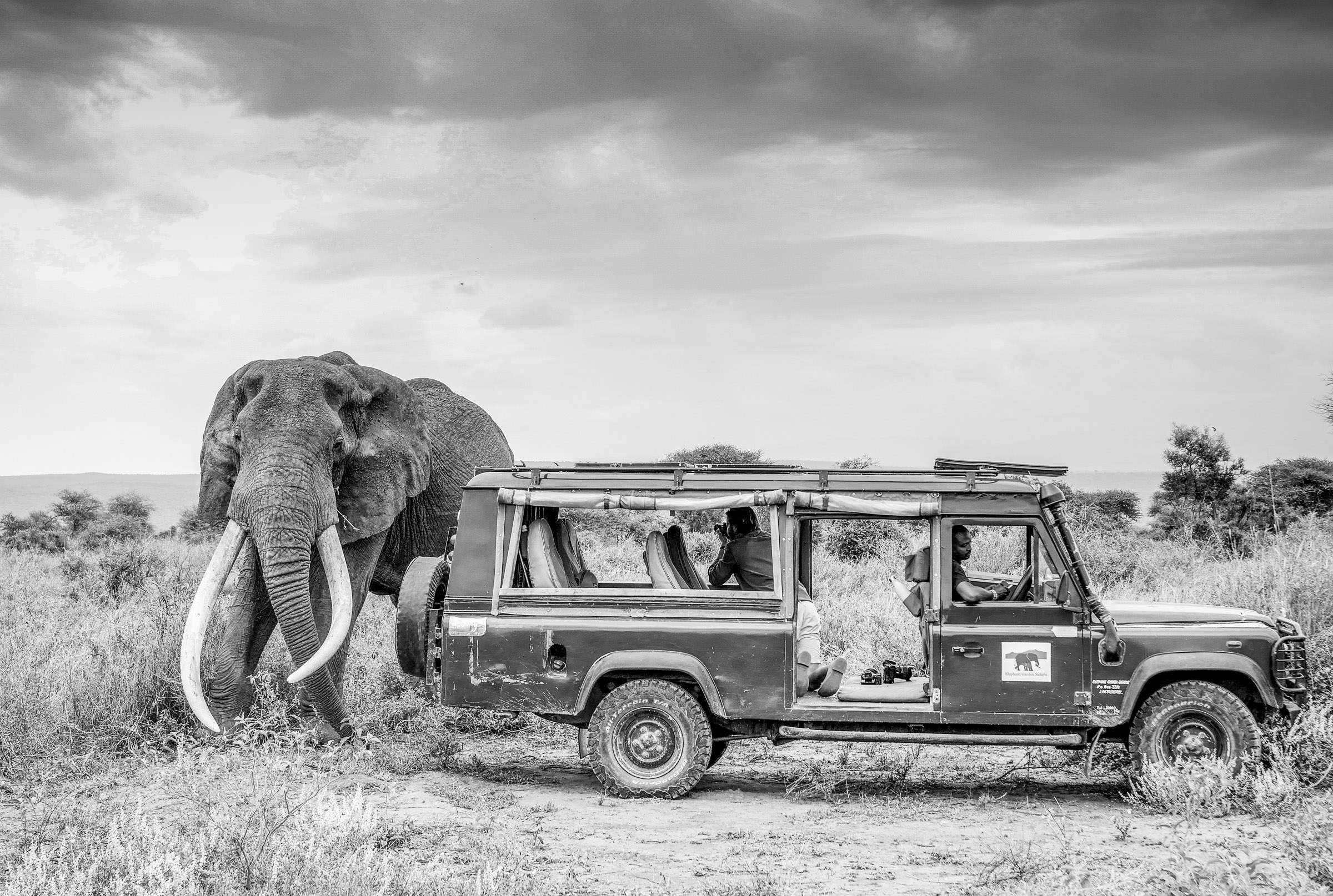
My newsfeed is still - quite rightly - flooded with images and stories of Craig following his death on Saturday.
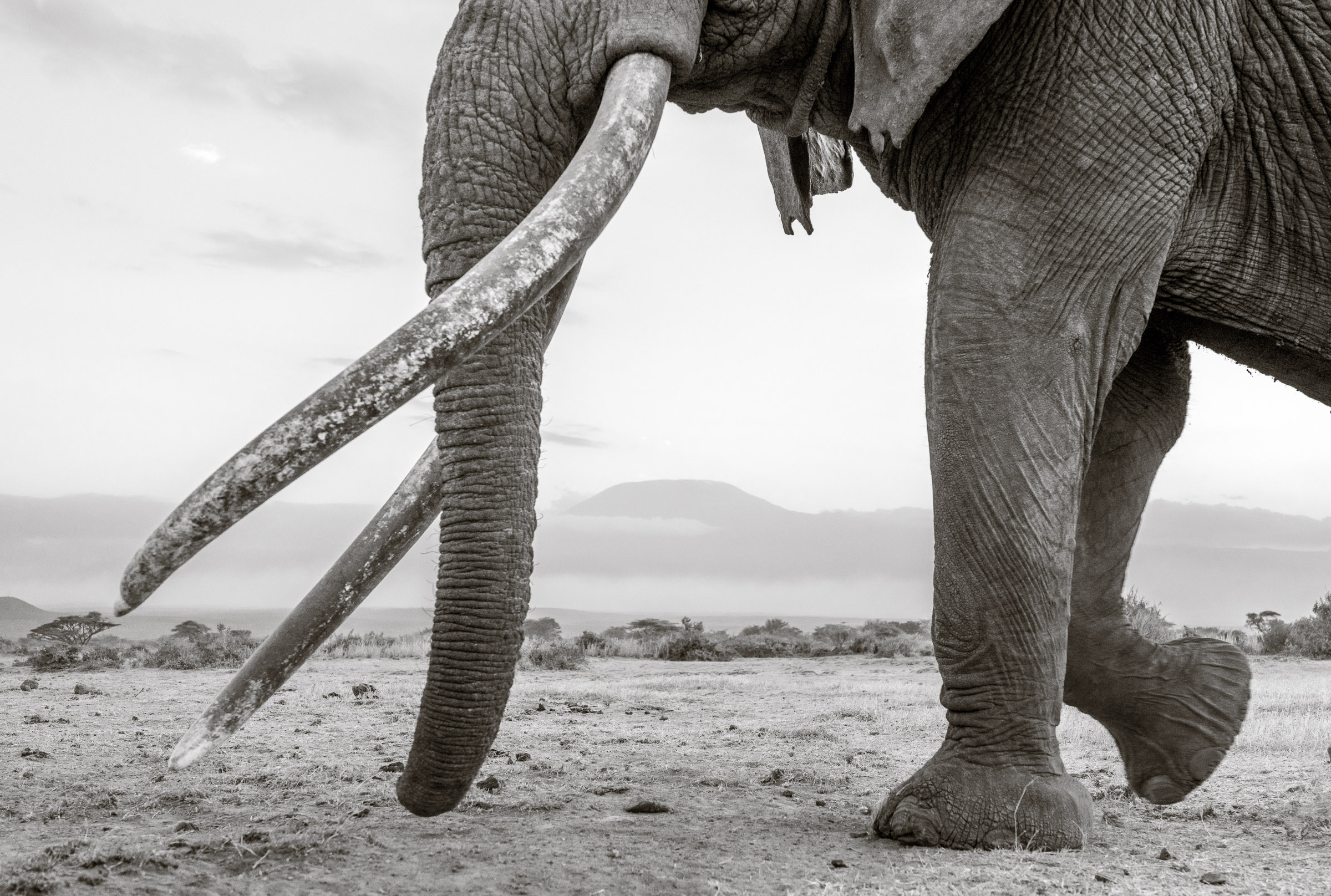
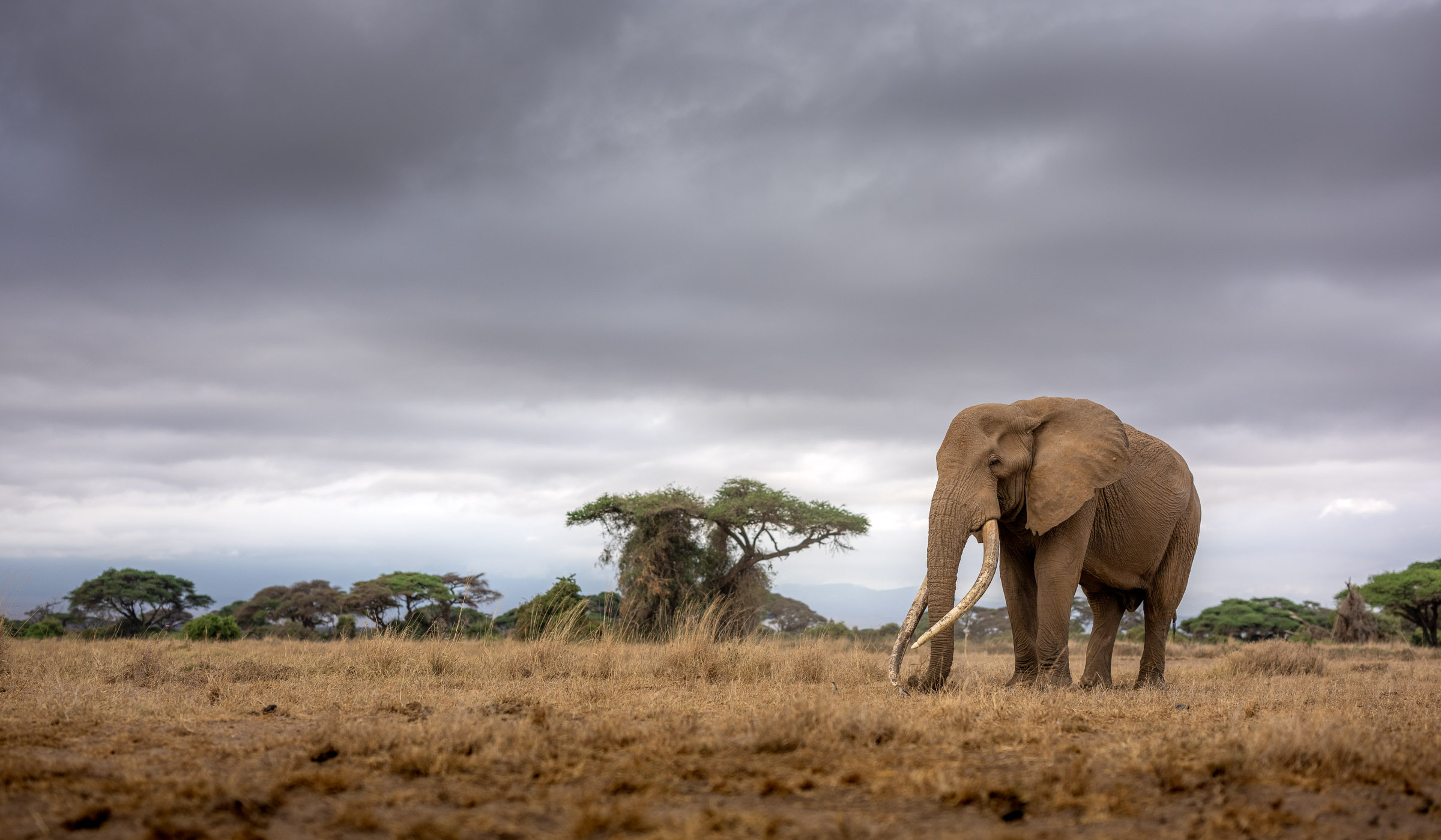
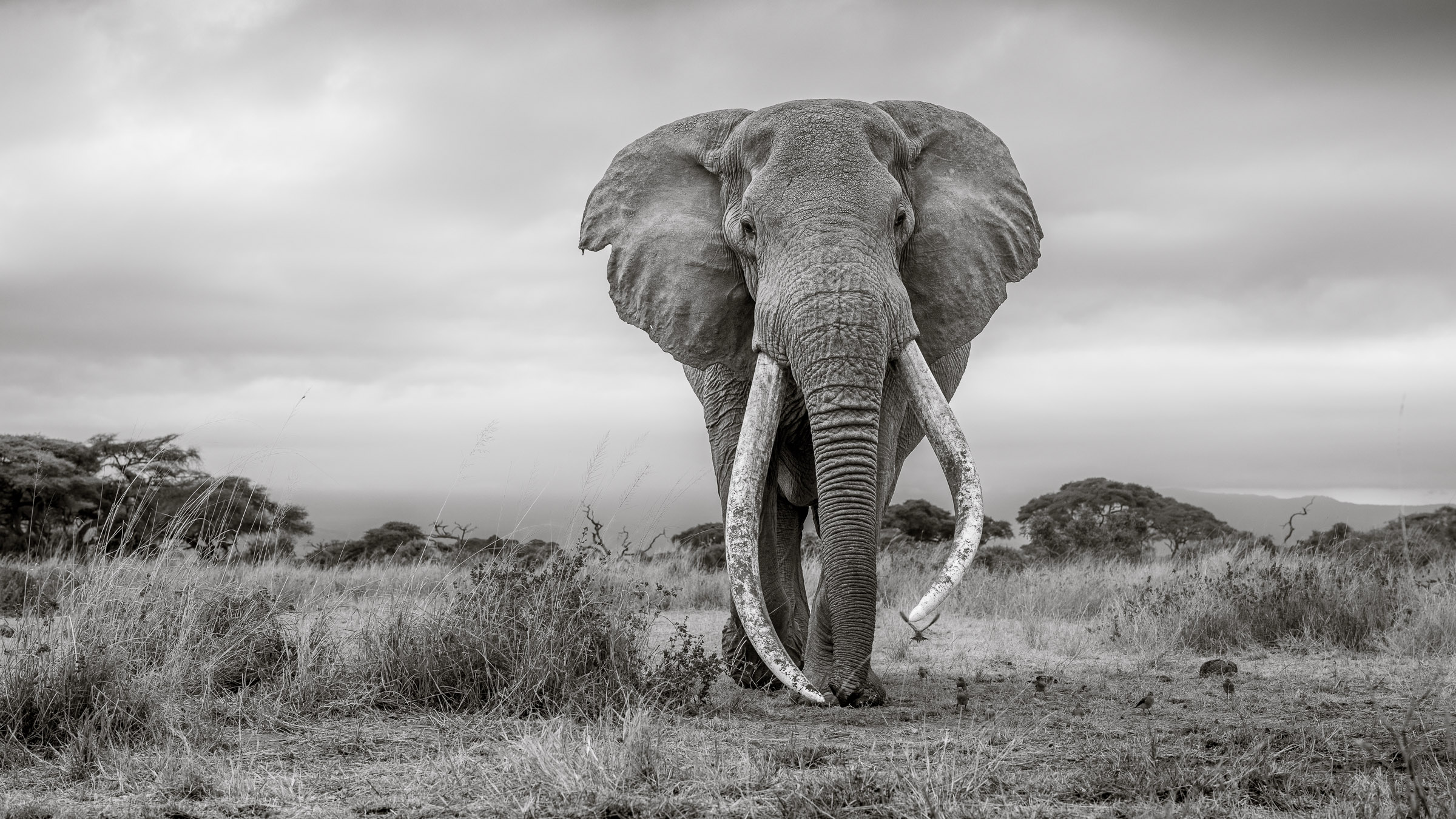
I was lucky enough to photograph Craig for five years and images of him remain some of my best selling prints, but I think they are - by a distance - some of my least satisfactory pictures. Nothing I took ever compared to that feeling of being next to this amazing animal, watching the way he carried his tusks so they just missed scraping the earth, hearing his gentle footprints on the sand as he walked past our car or, as was often the case in the last couple of years, staring at his diminishing, grey outline as he slept under an acacia tree. How on earth could that ever be captured in a single frame.
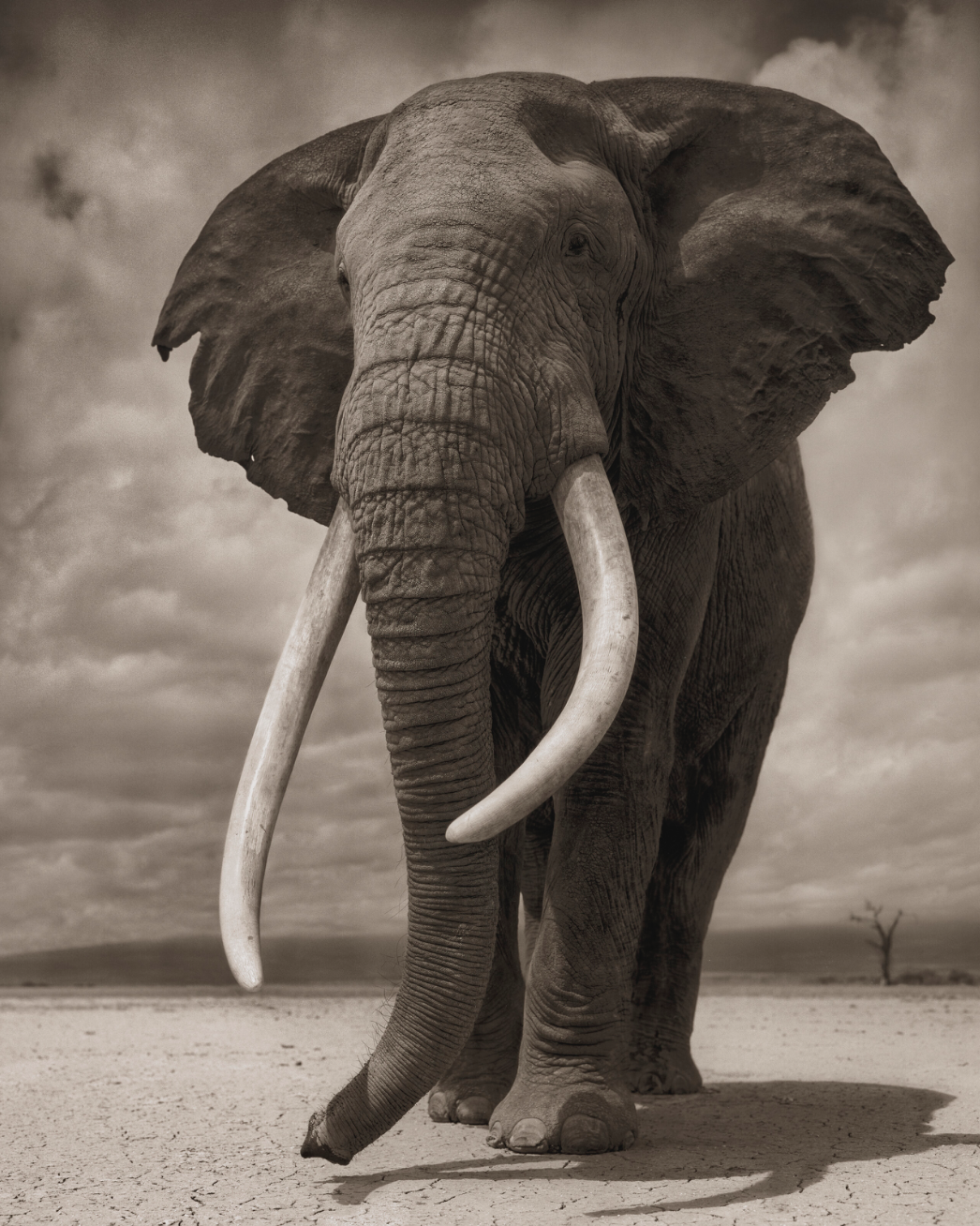
Many more talented people than me have tried to do Craig justice and I believe Nick Brandt’s shot from 2011 is arguably the best there is of him. What makes the shot brilliant is not the size of his tusks - back then they were perhaps half the weight they were when he died - but the composition and the intent. 15 years ago it took Nick two weeks to gain the proximity for the shot, Amboseli’s iconic cracked earth beneath Craig’s feet and a single dead tree in the background.
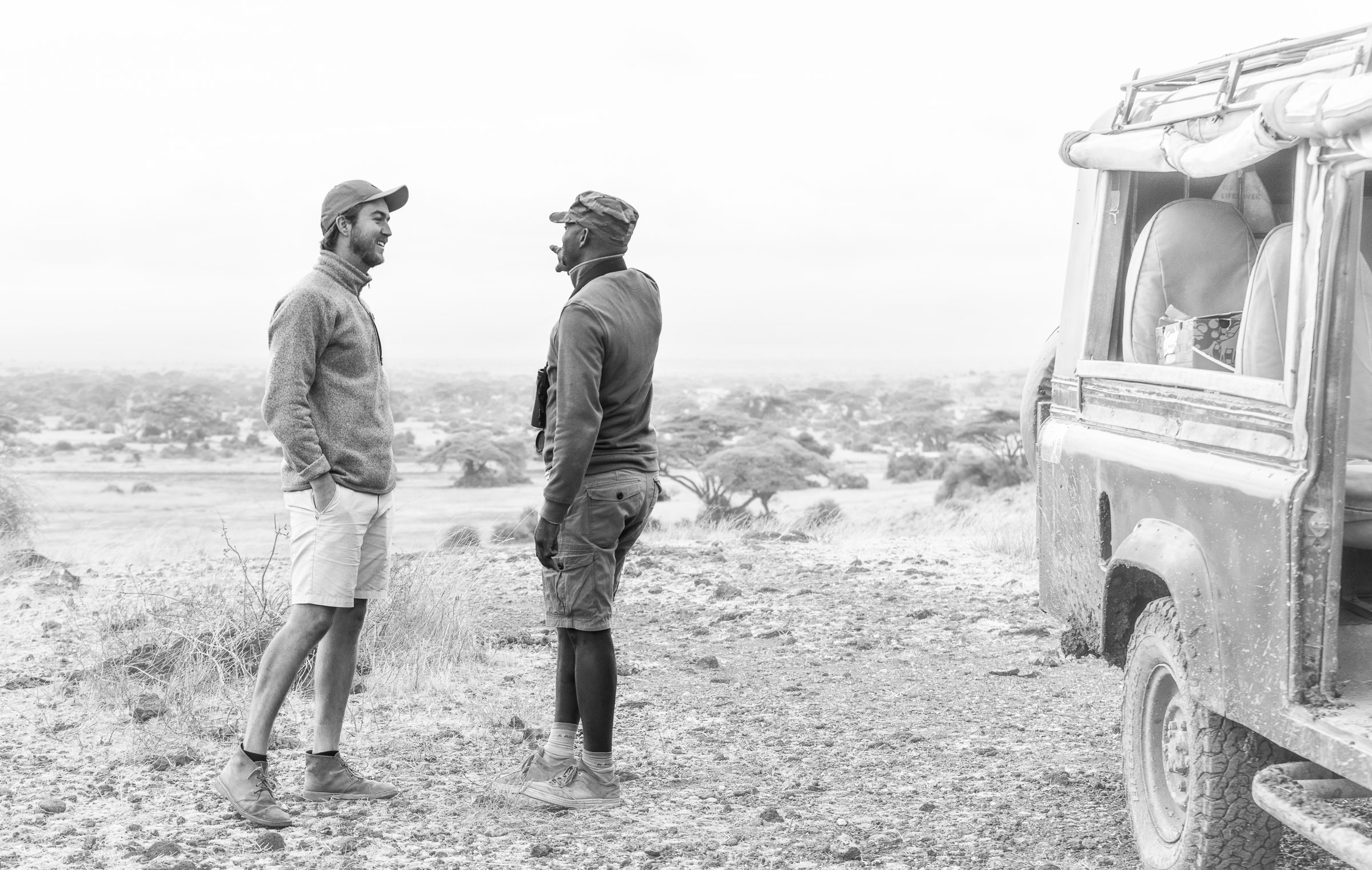
In Craig’s final years it took a matter of hours - if not minutes - to get within a handful of meters and create an image. This was a dramatic change even from when I first saw him five years ago when it was a 50/50 chance of whether we might glimpse him on a trip to Amboseli. David Moipei - a man who became famous for tracking Craig - would head out on his motorbike and liaise with my guide and dear friend, Eric Ole Kalama if there was any sign of him. Often in those days the call would not come, but in the last couple of years, as Craig’s behaviour became increasingly predictable and he was usually found on the border of the park and Tawi Conservancy, sightings were a daily occurrence.
So easy had it become to see him that I feel I lost my way photographing this magnificent animal. For a couple of years he became a target, a fascination, a key component of the iconic image I was craving - Craig in front of Mt. Kilimanjaro. No longer was I enjoying the sight of one of Africa’s largest and last super tuskers, I was there purely to capture a moment. One I would never remember as I captured - rather than witnessed - it through my camera’s viewfinder.
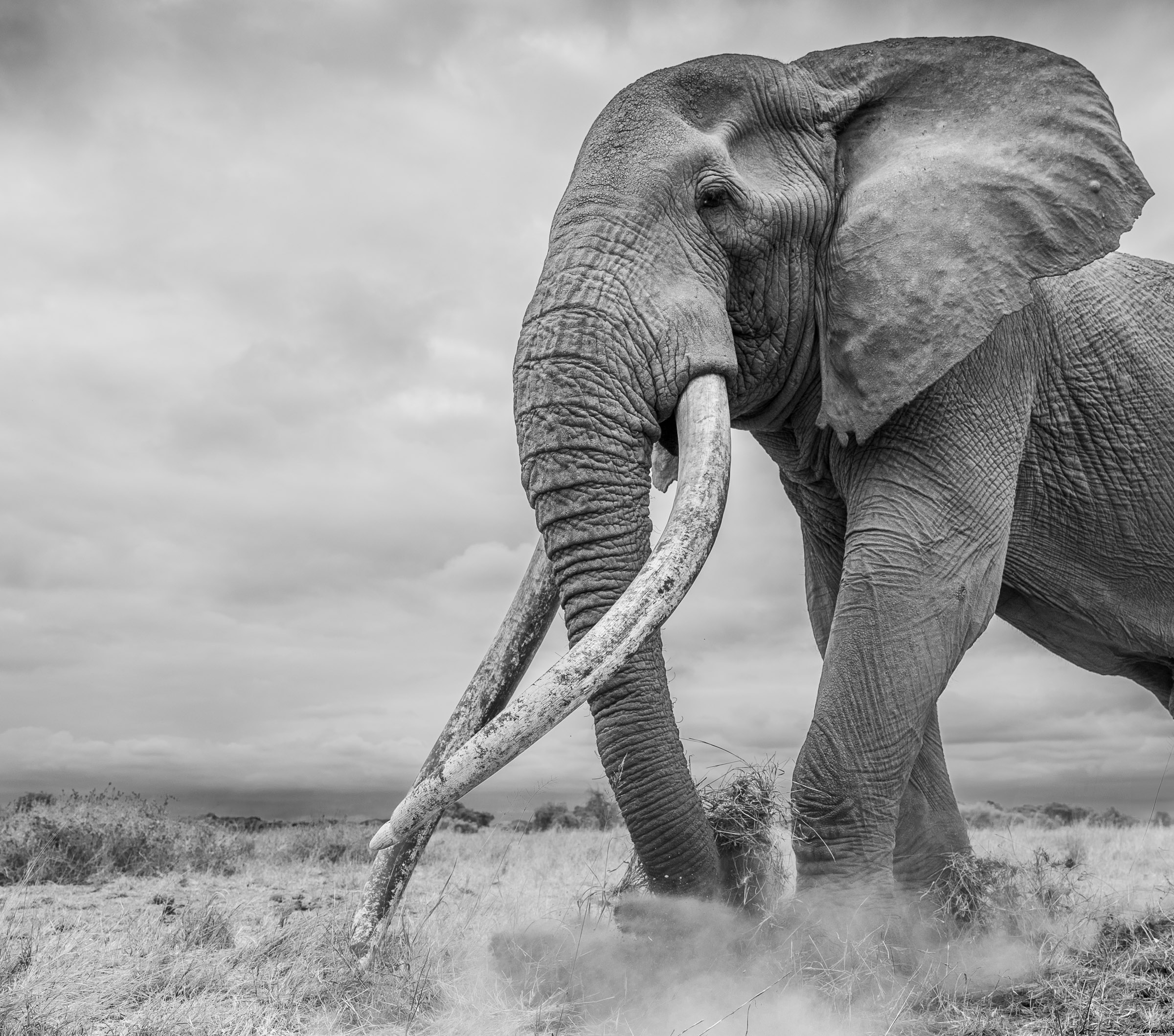
I began to judge my time with Craig through the quality of my images rather than the experience itself. I was sucked in to the belief my photos were only good if I was close and I was low, or that any image of Craig without Kilimanjaro in the background was a failure. As a result the more I saw Craig the worse my images became. Ever year I would get even closer, forcing more drama in to my images through harsher editing or create false aggression in the moments he kicked up dust just to eat a shrub or flapped his ears to keep cool. I would keep my camera in my bag if Kilimanjaro was veiled by cloud and probably miss countless opportunities to create something that might have actually been different.
Through all of this seeing Craig became a formality of work, not the exciting chance of a lifetime it should have felt like.
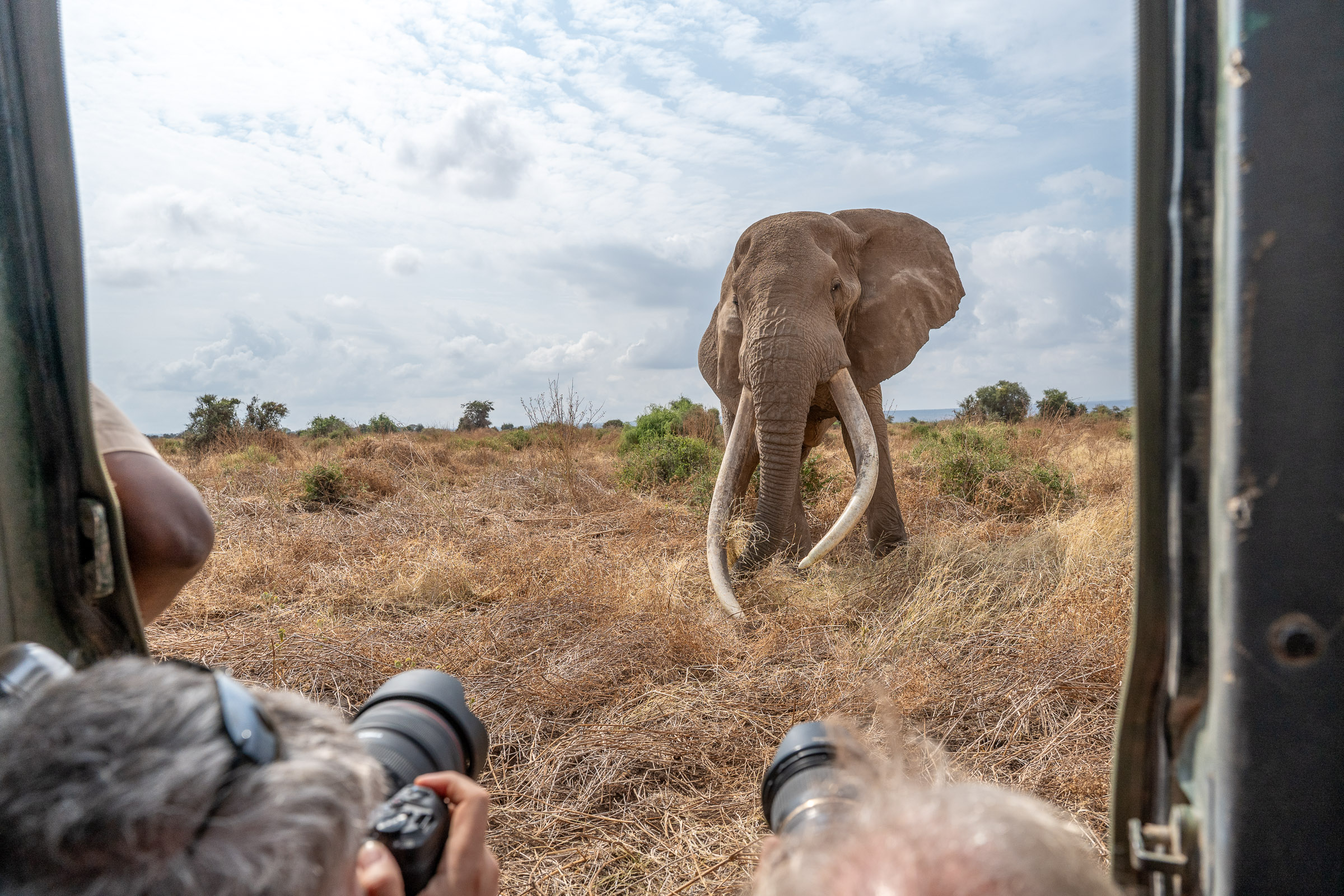
It was not until I took my first guests to Amboseli in 2022, two years after I had first seen Craig, that I began to enjoy it again. Now I was able to put my camera down and take in those seconds someone saw him for the first time, watch as their face lit up (and in a few cases, tears ran down their dust covered cheeks) before diving for their camera. This gave me far more joy than any of the photographs I ever took.
Looking back on the last five years I realise Craig has been a constant throughout my professional career. He was a feature of every Kenyan safari I ran or print collection I released and boy will I miss seeing him. On what has now turned out to be the last time I ever saw Craig, all the components I had searched for over the years aligned and there he was, out in the open with Kilimanjaro clear behind him on the border of Kenya and Tanzania. My guest and I fired off a series of images and genuinely cheered once he was out of sight. It was the chance I had searched for all this time, how appropriate that it should be the last time I saw him.
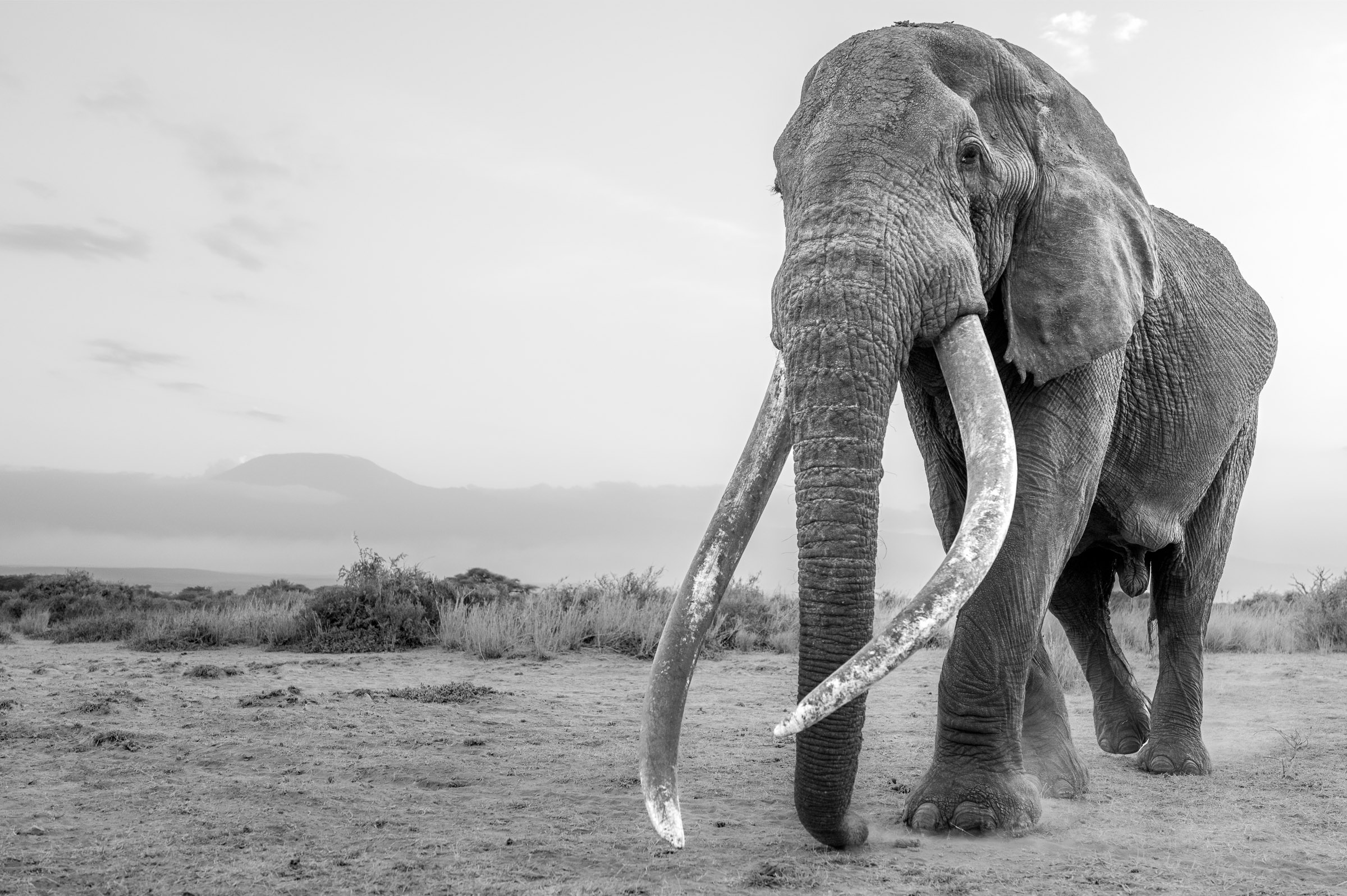
It feels strange to think of Amboseli without Craig, especially when you consider he was born two years before the area was granted national park status. Whether you saw him on safari or not you knew he was out there somewhere, the guardian of Amboseli and one of its greatest ambassadors.
Of course attention now will turn to Craig’s successor, of which there are a number of candidates. Michael, Teejay or X-001 are perhaps the most obvious. My hope is there is no single animal to takes his place, but instead the burden and attention be shared between the next generation of super tuskers. As Nick Brant said, “Craig was special. But I want to say one obvious thing: all elephants are special. Craig gets the attention because he had those giant tusks. But the mind of an elephant - these extraordinary creatures - that’s there in all of them.”