

Ngaga Lodge
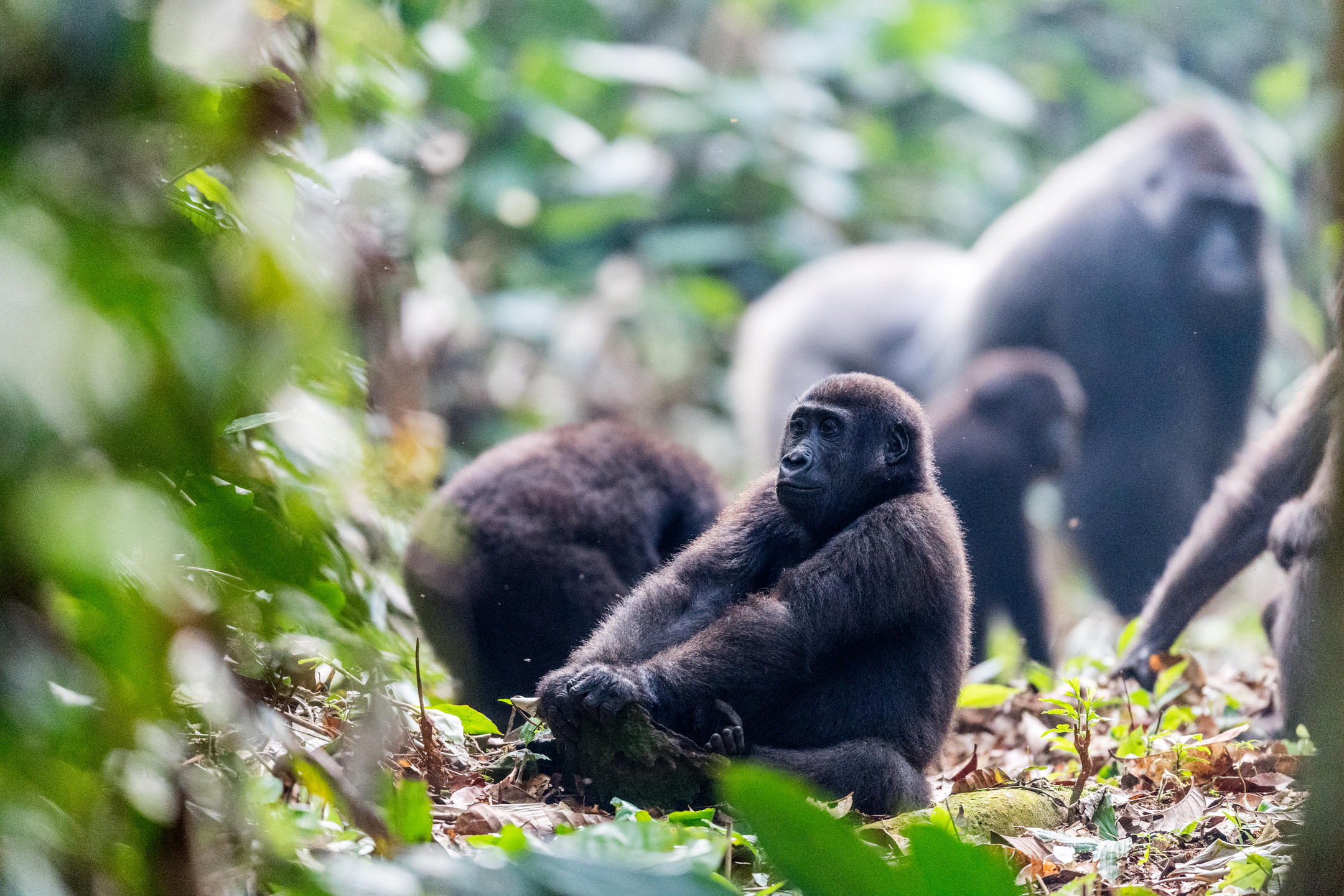
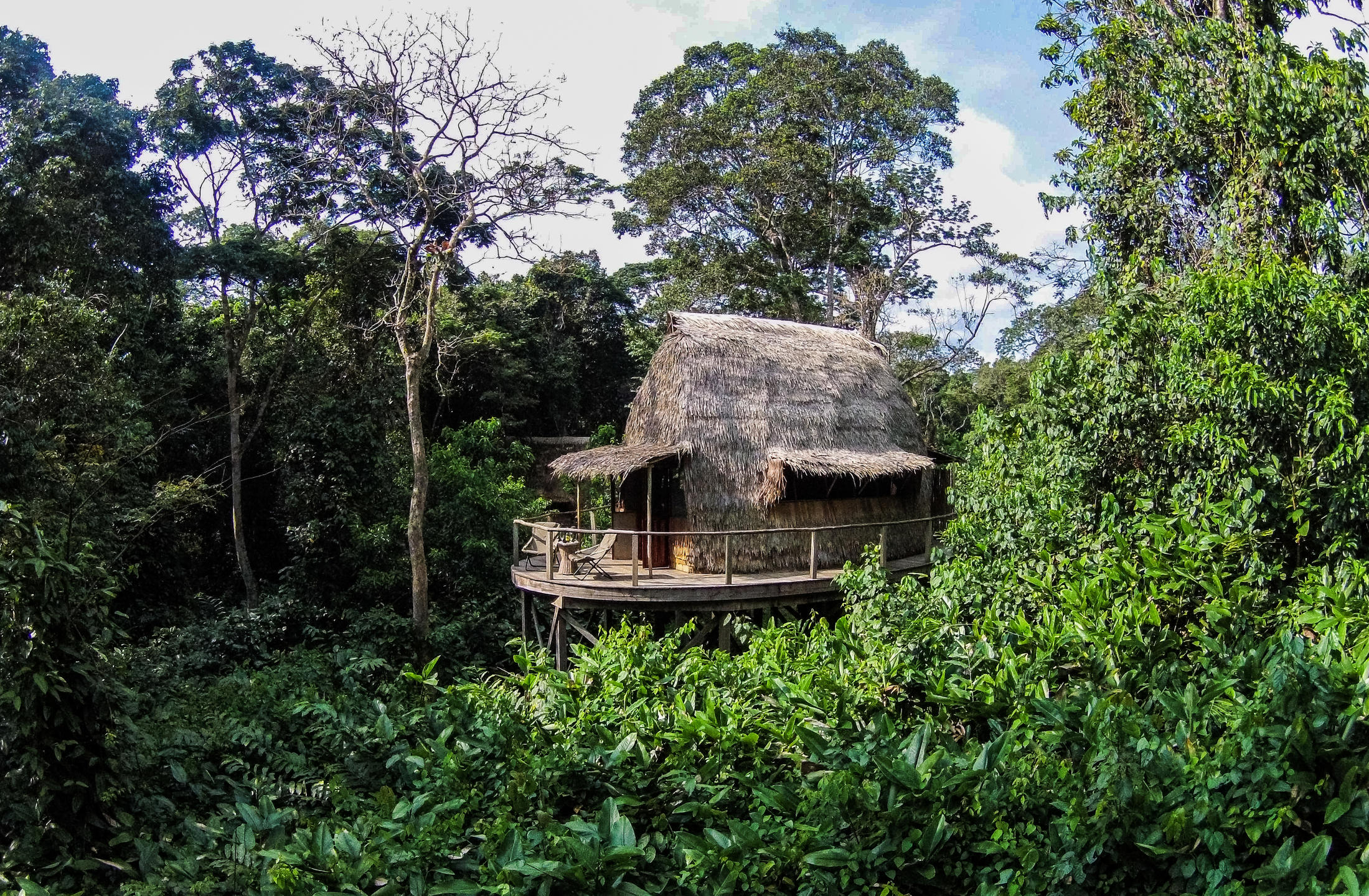
Ngaga is gorilla central. Six treehouse chalets raised 20 feet above the forest floor, surrounded by the overlapping home ranges of several habituated western lowland gorilla groups, in a forest that has barely registered the outside world. If you have come to Congo for the gorillas (and you should) this is where you stay.

Life in Camp
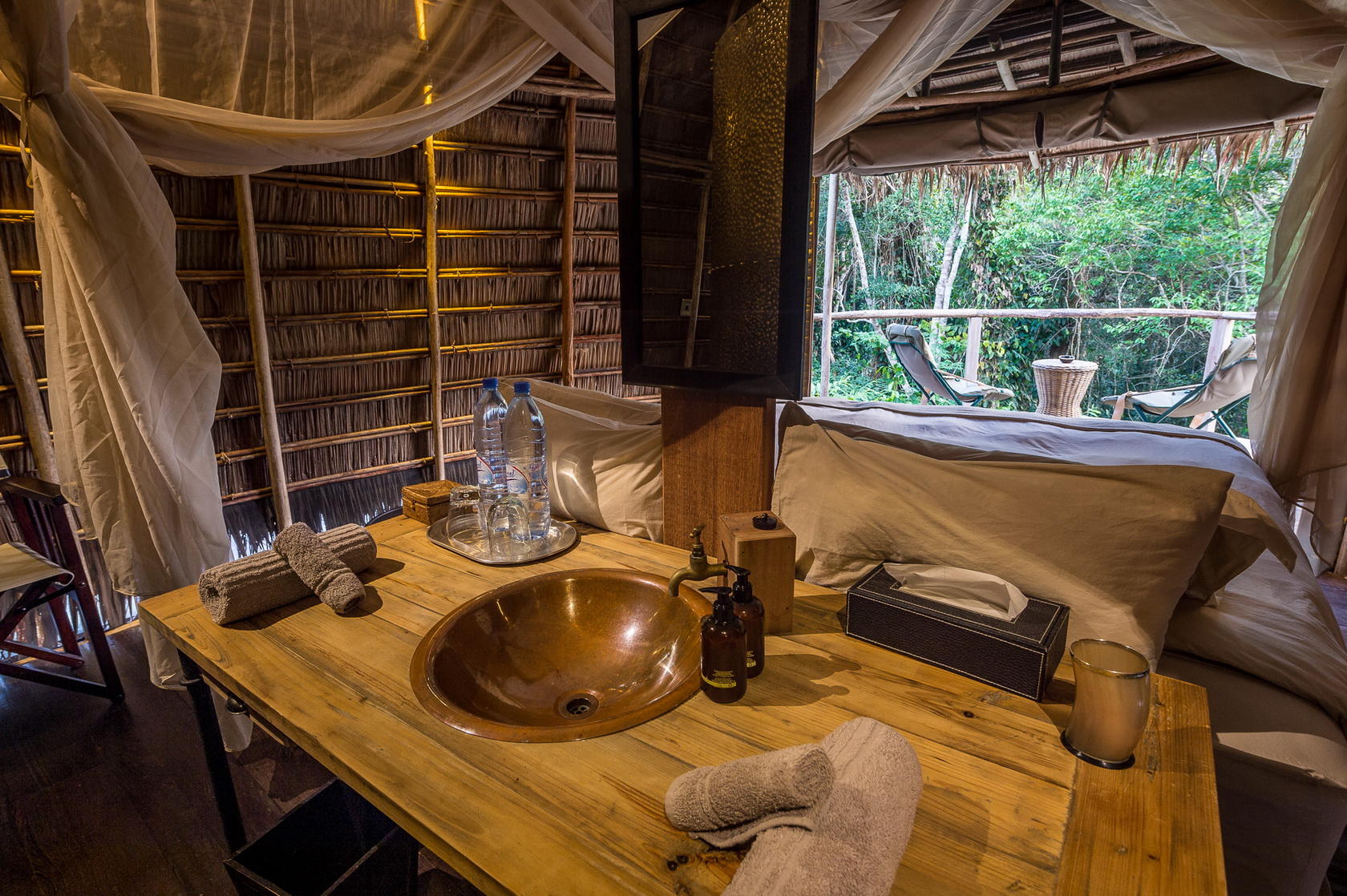
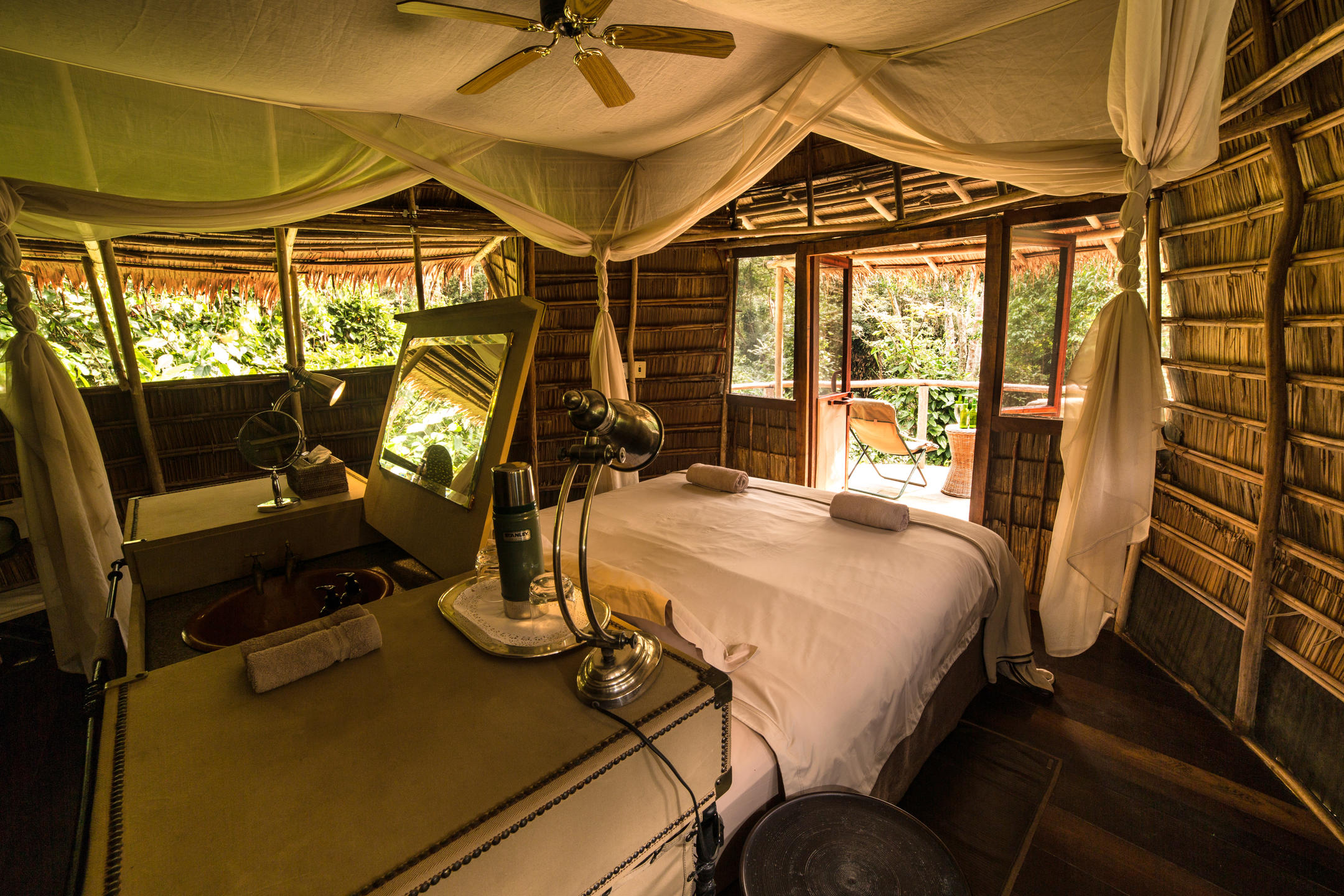
There is something quietly remarkable about sitting on your wraparound walkway at Ngaga and hearing the forest shift around you. The camp is small by design - six en-suite chalets in total, each built from natural materials including locally woven raffia palm panels, all elevated on stilts so that you live at the same level as the canopy rather than beneath it. Ngaga does not feel like a lodge in the conventional sense. It feels like the forest happened to build you somewhere comfortable to sleep. The main living area is raised and looks directly into the trees. Below it a star deck and fire pit sit ready for evenings spent swapping stories from the day's tracking over cold drinks as the forest makes its transition from day shift to night shift. It is not a complicated formula, but it works extraordinarily well. Originally founded as a primate research station before tourism was introduced, the researchers and trackers who live and work here have spent years navigating these trails. You benefit directly from that knowledge every time you step into the forest. Will recommends a minimum of three nights. Given the travel involved in getting here, two is not enough to do it justice, and the gorillas are the kind of thing you want the time to sit with properly.

Timing Your Trip
The Republic of Congo sits on the equator and does not observe seasons in the way much of Africa does. The climate alternates between wet and less wet, and the western lowland gorilla does not migrate - it is here, somewhere in this forest, every single day of the year. That means any month you can travel is a month worth considering.
That said, June through September and December through February offer drier conditions underfoot, which makes the tracking physically easier and the forest paths more manageable. The wet seasons -March to May and October to November - bring extraordinary atmosphere, thick green growth, and a forest that glows. For photographers, the wet season light can be remarkable.
Jan
Good
Feb
Excellent
Mar
Good
Apr
Mixed
May
Mixed
Jun
Excellent
Jul
Excellent
Aug
Excellent
Sep
Excellent
Oct
Good
Nov
Mixed
Dec
Good


Famous For
Ngaga is famous for one thing above all else: the gorillas. But it earns a second reputation among those who have been for the intimacy of the experience. With only 12 guests in the entire camp at any one time and group sizes kept deliberately small - typically around four people per guide - this is about as far from a mass tourism gorilla encounter as it is possible to get. You are in the forest, on the gorillas' terms, with people who know exactly what they are doing. The comparison with Rwanda and Uganda is inevitable, and the difference is stark. Fewer people, no permit queues, a forest that has not been shaped around the tourist experience. This is what tracking gorillas actually feels like.
Gallery




Will's Ideal Pairing
"Ngaga works best as part of the full Odzala circuit. Three nights here for the gorillas, then move to Lango for the bai and the elephants, and finish at Mboko for the rivers. Each camp is completely different in character and each justifies its place in the itinerary. Doing just one of them would feel like reading the first chapter of a very good book and putting it down."
You May Also Like


Begin Your Safari
Begin your safari today. Will replies to all enquiries within 24 hours and tailors each itinerary according to your specific interests.
