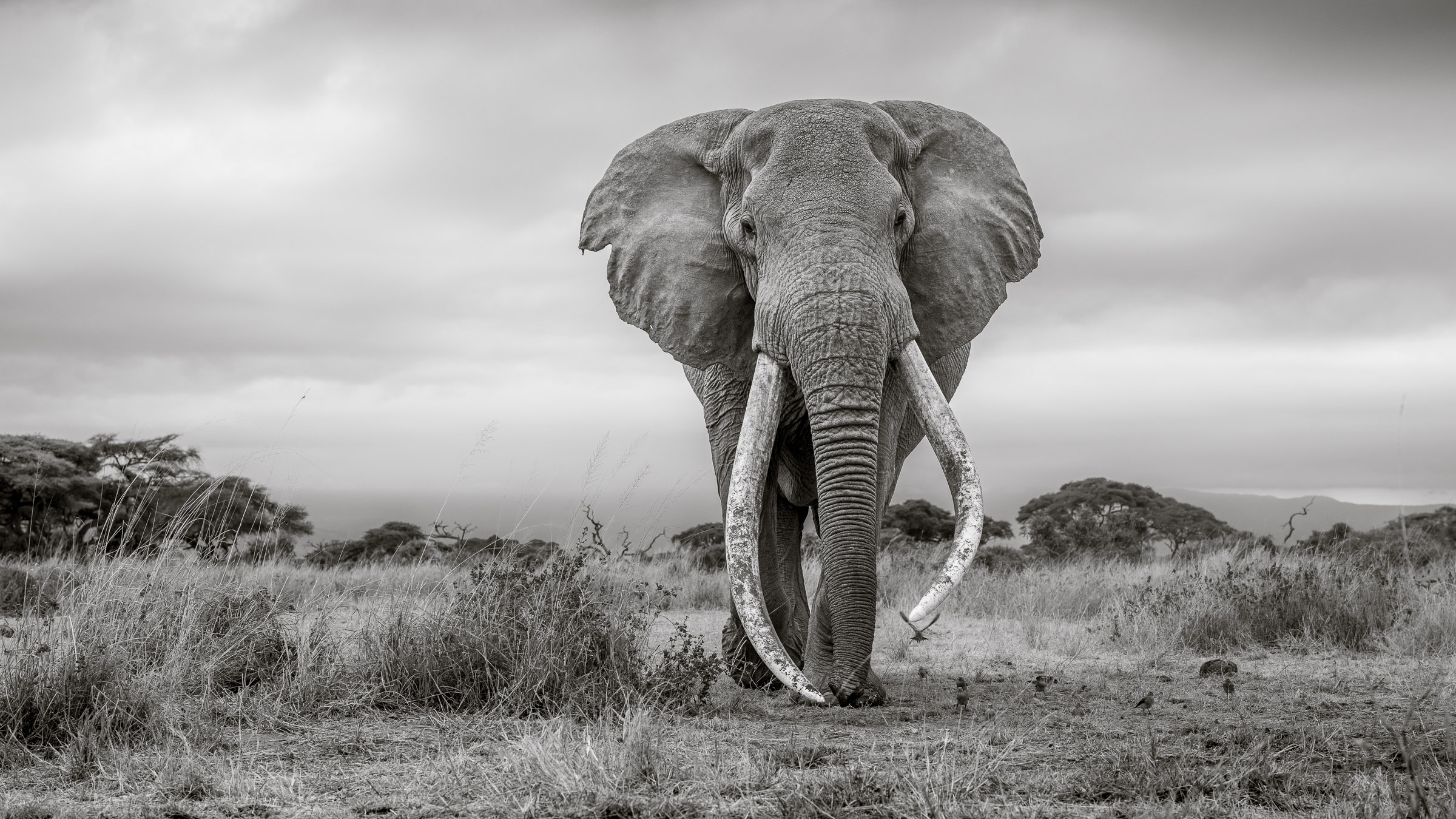
Amboseli: Six Years On

I spent my formative years as a photographer in the Maasai Mara, a contender for Africa’s best known reserve. Having first stepped foot there as an 18 year old intern for Governors’ Camp Collection in 2012 I was immediately hooked. Nowhere, I believed, could possibly be a more intriguing photography destination than this.
In many ways I was right and ‘The Mara’ - as it is affectionately referred to - remains ever present on my group and bespoke safari itineraries. But it was not until 2020, eight years after I had first stepped foot on Mara soil, that I realised I had been looking about 300 miles in the wrong direction.

A Changing Landscape
The photography industry, when I first began taking photos, was worlds away from where it is now - my career pre-dates Instagram. So unlike today when you can, within two minutes of ‘research’ (read: scrolling), work out where to supposedly photograph The Big 5, snow leopards or polar bears - there was a little more reading and networking required.
Every photographer that came through camp back then always told me how phenomenal Amboseli was, as did the camp managers who had worked in lodges or private camps dotted around the park border. I became increasingly curious and as more photographers began to join Instagram and location tagging took off, I was able to see just what I had been missing out on.
Social media advertises a location in a way a Google image search never managed. Gone are the overly saturated travel agent’s images of an elephant at sunset, here instead a wealth of images of elephants crossing a flat lake bed or walking underneath Mt. Kilimanjaro, of a photographer only a handful of feet away from an elephant with tusks the likes of which I had never really seen before. I knew I had to go.

Expectation, Meet Reality!
It was 2019 and, at the time, I was earning a princely £750 a month to work as a resident photographer, supplemented by time back in England labouring for a marquee company, waitering for a catering service and, perhaps bizarrely, helping a sculptor build his own cricket pitch. This meant I was going to have to do the trip on a budget.
The key when organising any safari on tight purse strings is to find the right guide and work backwards. You are going to spend all day with this guide and they are responsible for what you see and, crucially, what you miss. As I began talking to people about a possible trip to Amboseli one name came up a lot, Eric Ole Kalama.
Eric had spent the last 25 years in Amboseli, first working for the world renowned researched Cynthia Moss and then as a guide for Tortilis Lodge. He now ran Amboseli safaris as a freelance guide and came highly recommended. I got in touch with Eric and he sent me his rates - a very reasonable $350 a day. But even my maths realised that my monthly £750 was not going to get me very far on this safari.
My time at Governors’, though, did mean I had met a number of wildlife photographers, occasionally coming through camp for lunch thanks to our position in a prime game viewing area along the Mara River. In truth, some were complete prats, but the vast majority were amazing people eager to share their knowledge when asked by a lanky, young wannabe. One who had been particularly kind and invited me out on a couple of game drives with him was one of my favourite photographers, Graeme Purdy and we had kept in touch since our game drives.
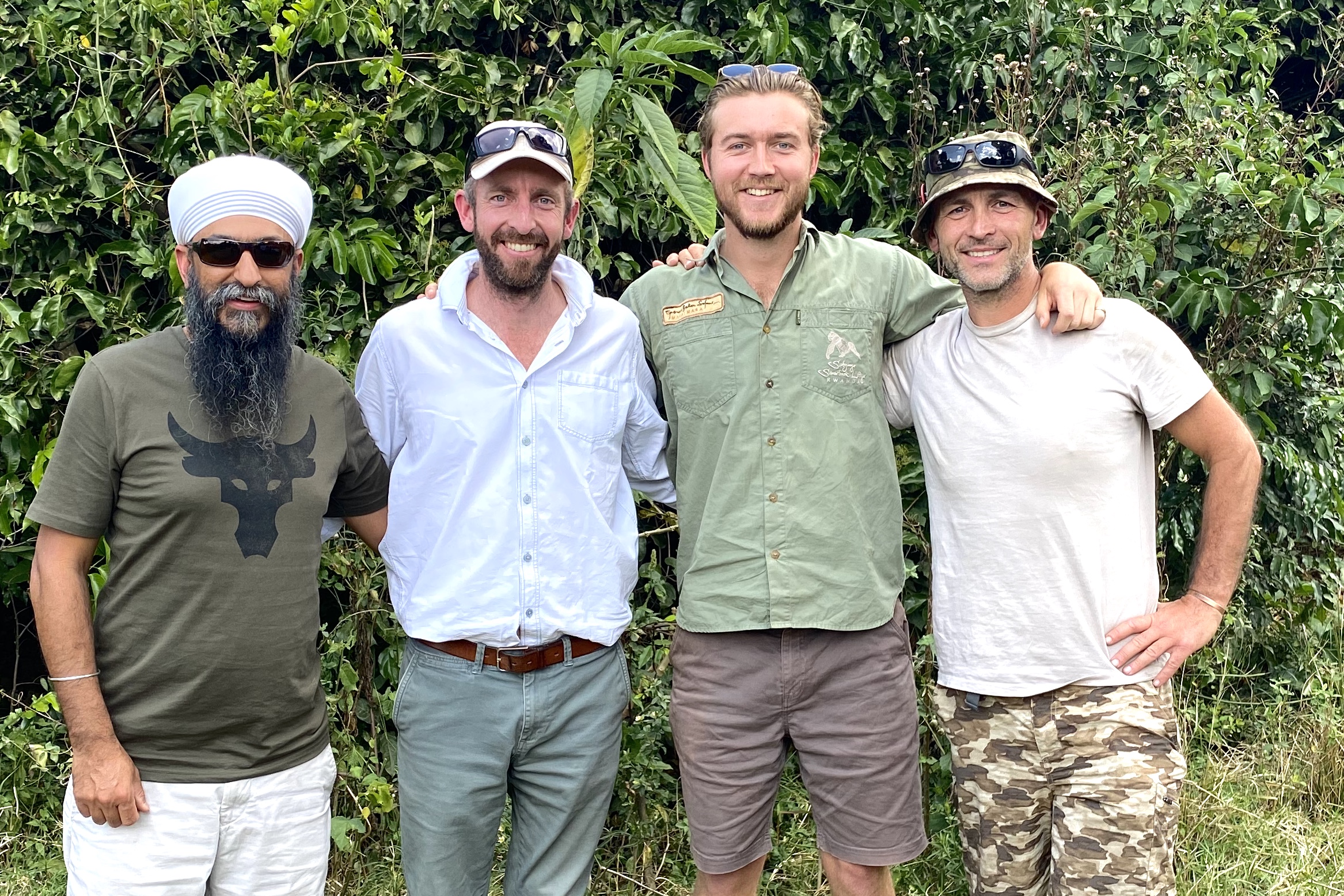
I asked him if he fancied the trip, told him we could split Eric’s day rate and find somewhere cheap to stay on the edge of the national park. I reckoned we could do a five night trip for around $1,000 each, as long as we were not too precious about where we slept or what we ate. Or as it later turned out, if we slept or if we ate.
"You mean you didn't want rats in your room?"
Graeme was in and we arrived in Amboseli by taxi from Nairobi in October of 2020. Eric picked us up at a petrol station at “the point where the tarmac stops” and drove us the final hour to Kimana Gate on the eastern border of the park. On the way we discussed his rise from chef in a research camp to freelance guide and asked if he had ever taken guests to ‘Kimana Camp’* where we were booked in to (via a quick flick through booking.com having filtered camp’s from ‘lowest price’ to ‘highest price’ and picking the first one that came up). Eric said he had not, which should have been a warning sign, but had found out where it was and as he lived nearby it made logistics fairly simple.
It transpired that the reason Eric had probably never heard of it was because the camp was complete crap. We were the only guests mad enough to be staying, the showers did not work, the rooms came with extra rats and all the ‘staff’ watched music videos on the TV from 5am until 11pm every day. At the time we were both vegetarian, which flummoxed the only attentive member of the team, the chef, so he cooked us tomato pasta for every meal having checked, before he started cooking every day, if we still wanted to be vegetarian.
The Elephant With Calm Toes
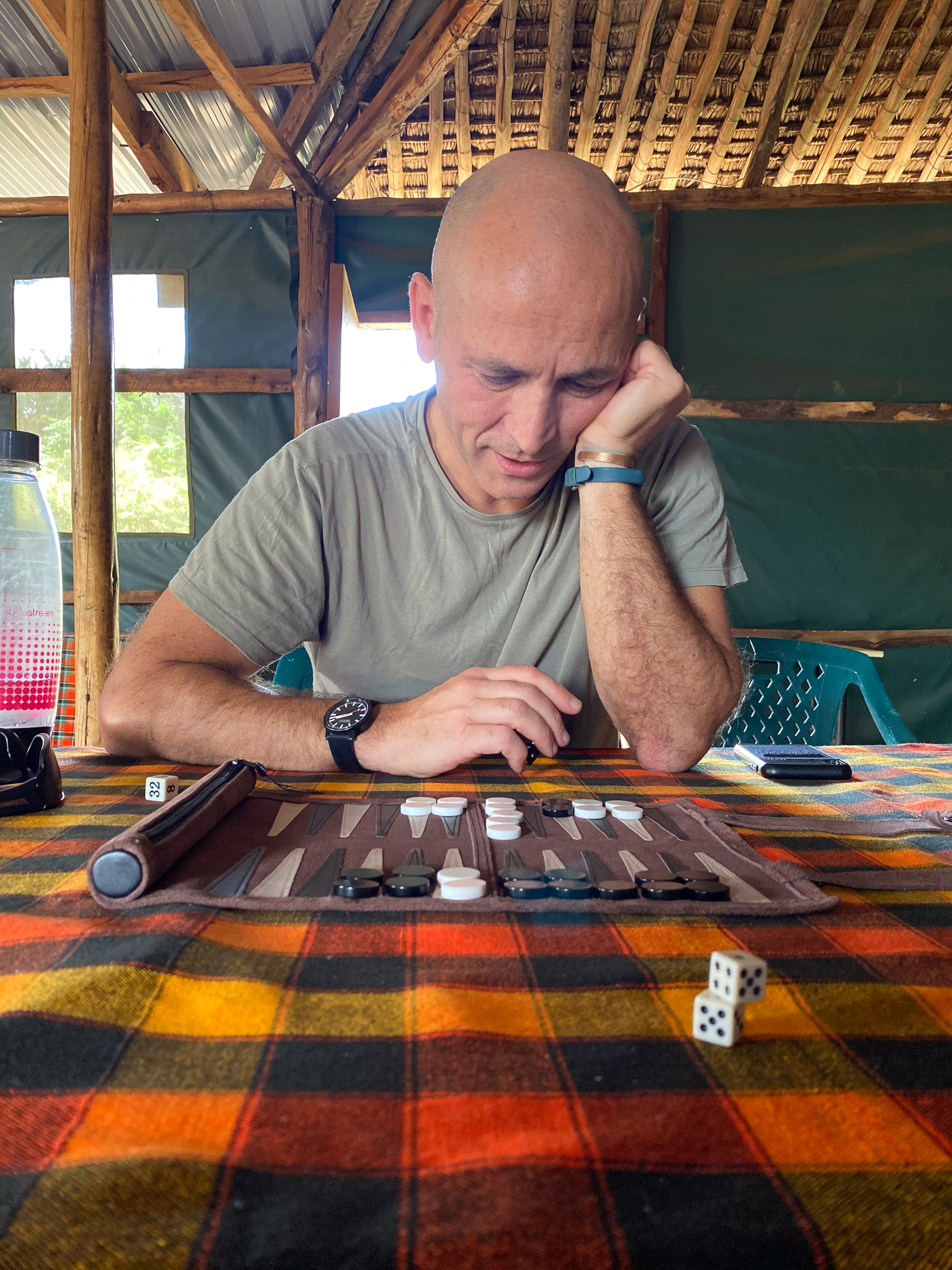
But none of this mattered to us. We had a backgammon set and the fridge had just enough life left in it to serve beers a couple of degrees below room temperature and we spent every day out in the park, an experience that could not have been more juxtaposed to our time in camp.
From the first game drive it was obvious we were somewhere different, somewhere with unrivalled photographic potential and Eric was the man who could help us maximise it. On our first afternoon game drive we saw an Amboseli bull elephant - an animal so much larger than any I had seen in the Mara that I just stared as it grazed fifty yards away. Eric promised us that the elephant would walk to the exact spot we were waiting, as the grass on the side of the verge was sweeter than what he was currently eating. I smiled politely but did not believe him for a second. Yet within twenty minutes Eric had been proved correct and this Amboseli giant stood over us. I turned from taking the photographs I had craved for months and saw Eric was checking his phone, unperturbed by this six tonne animal standing over his car.
“Does this not concern you?”, I had asked, so used to Mara guides keeping their distance from elephants.
“No”, Eric replied, “I can see his toes in the wing mirror, he’s a calm elephant.”
Amboseli, again and again
This encounter sums up many I have had with Eric in the subsequent six years. We have seen countless elephant herds cross the Amboseli lake bed, one of the last places on earth you can truly forget the rest of the world exists and marvel at the animal’s walking across the cracked, dry earth, and he has introduced me to some of Africa’s last great super tuskers; Craig, Tee-jay, Michael, Tolstoy and X-004.
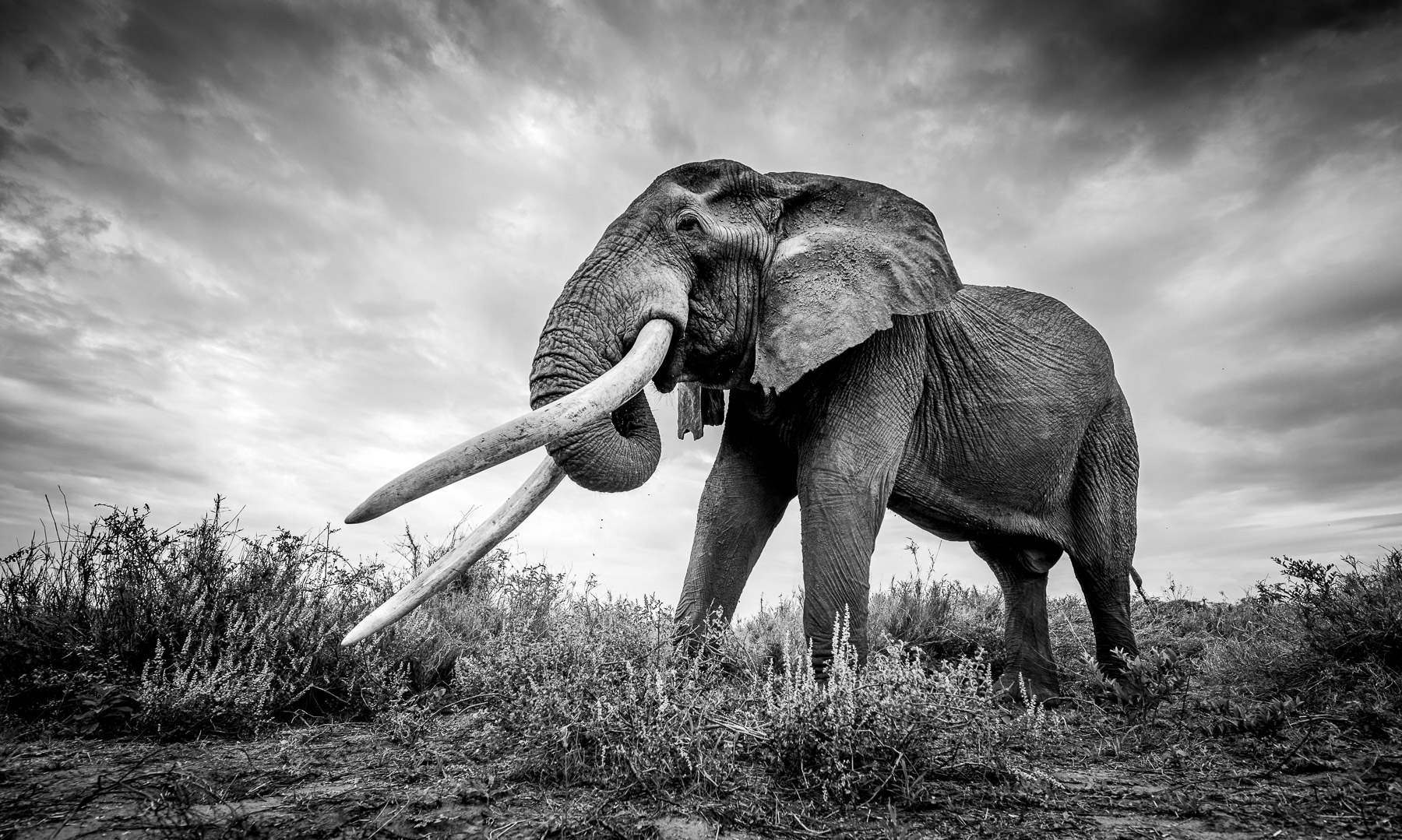
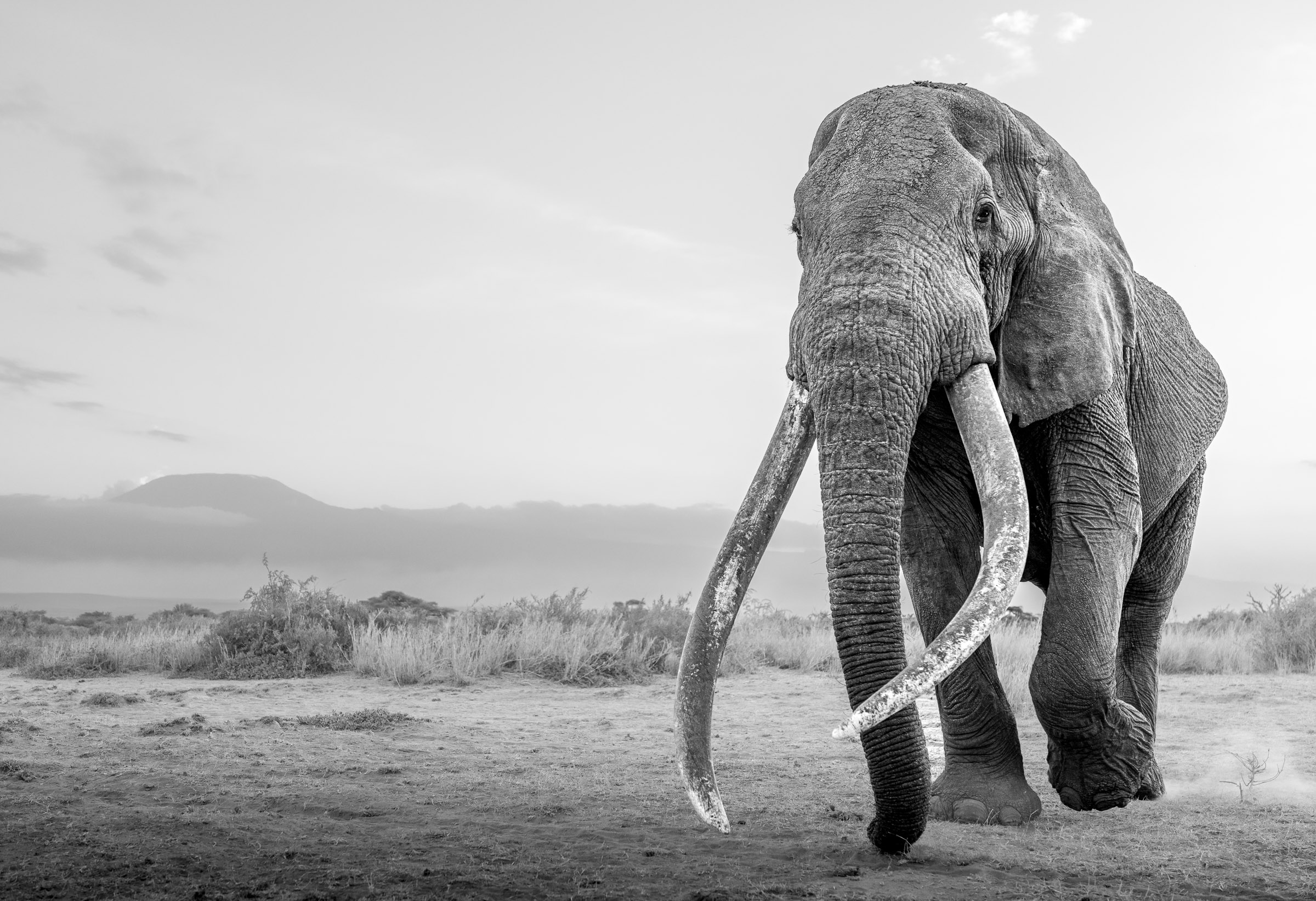
Amboseli has an unrivalled ability to never feel old. We do the same thing almost every day that I have been there and I just cannot get enough of it. Whether it is waiting on the edge of the Ol Tukai Marsh for elephants to finish their days grazing and leave in long trains, or working with Daniel Moipei to try and locate an iconic super tusker, or simply having a beer at the end of the day under Mt. Kilimanjaro, I am hooked on this place.
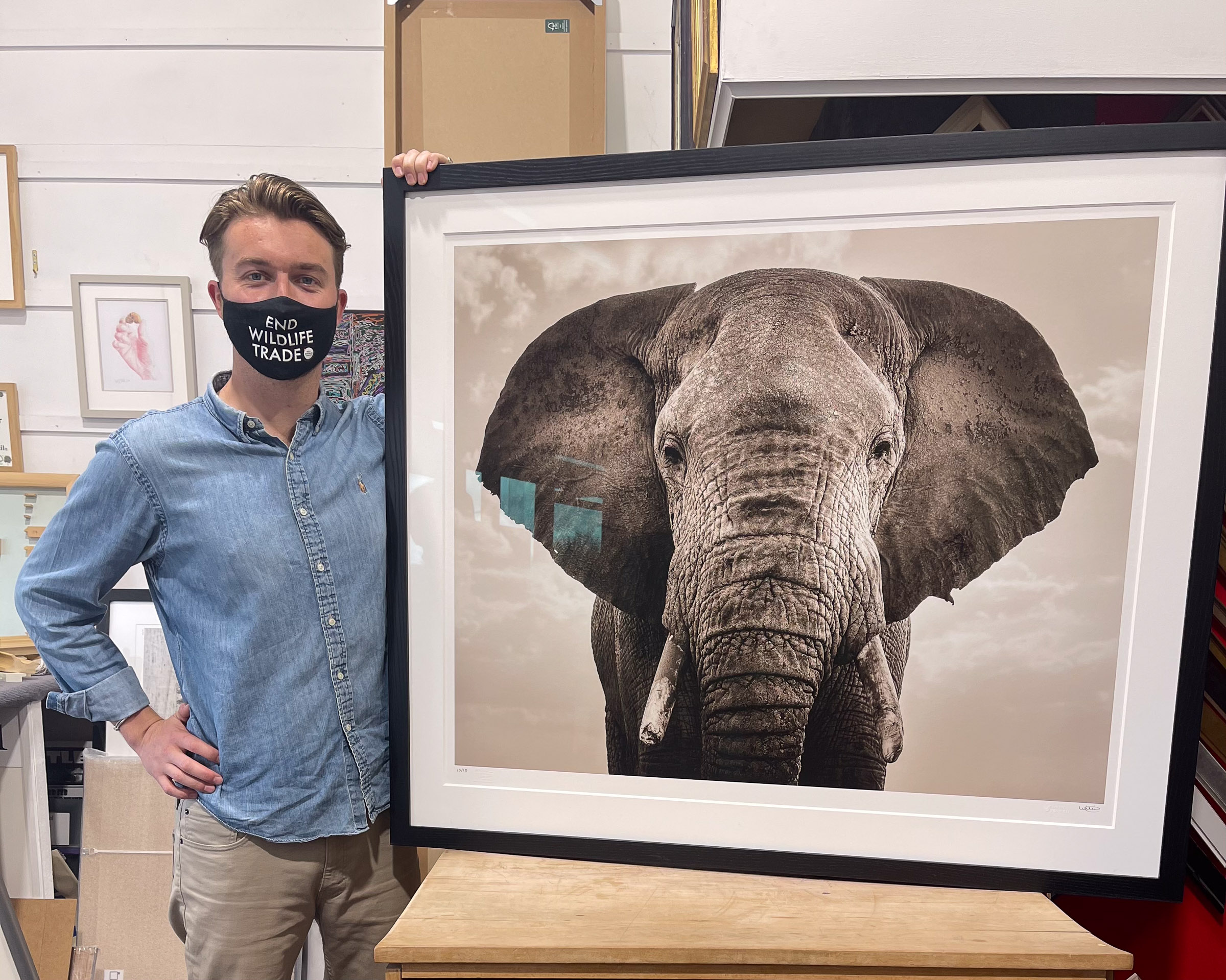
As I prepare to return this month for my ninth Amboseli safari it has been an opportunity to reflect on my time - and images - since that first experience and realise that Amboseli was, without doubt, the catalyst for my photography career. The Mara had been my three year initiation and my images, while okay, were not going to gain me any kind of recognition. This changed within six months of visiting Amboseli as my image of two fighting elephants was picked up by a London art gallery and overnight meant I could afford to drop the labouring and handing around canapés at eighteenth birthday parties.

Sharing This Place
Amboseli also became the first location I was asked to guide a private safari and meant I could eventually leave my role at Governors’ to begin a safari company with my old business partner, Matt Armstrong-Ford. While we have since parted ways to focus on our own guiding work we shared our first safari together on Amboseli’s dusty plains and if I had to take a guess I would say Amboseli has since become responsible for 60% of my print sales.
Eric meanwhile has started his own camp on a private conservancy he and his wife are trying to expand, Elephant Garden, and it is to here I will return this month with two guests who get to witness of all of this for the first time.
There is no substitute for this kind of experience and, as my own photography takes a backseat as I guide, I take no greater joy than watching others see Amboseli for what I and Eric do. A haven for one of Africa’s most iconic elephant populations and the ultimate photographers playground (please enjoy responsibly). We still drive past Kimana Camp today, Eric’s new camp being two miles down the road, we smile at each other every time we see the sign. I’ve still never been back.
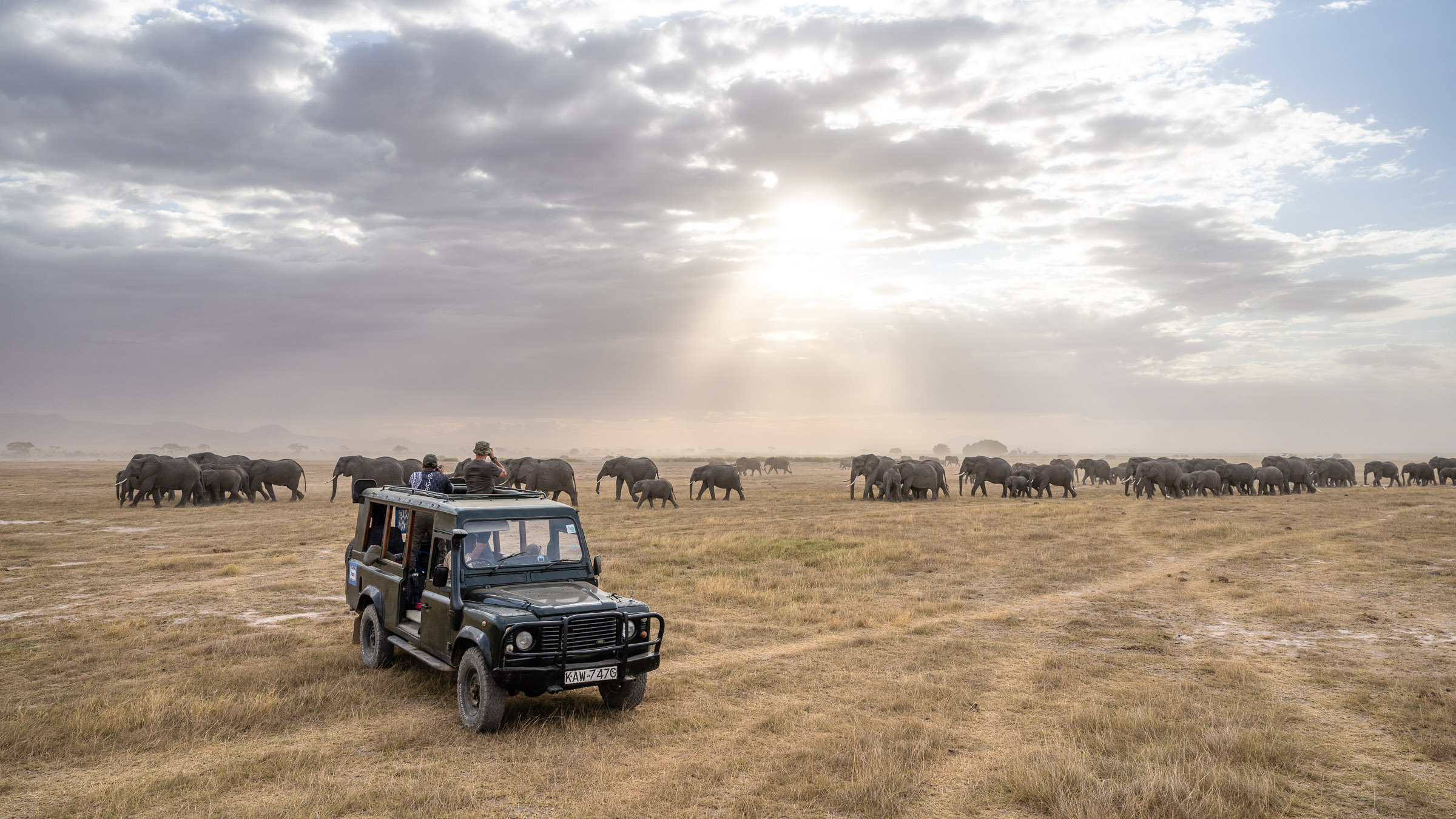
*Not to be confused with Kimana Camp Site in the Kimana Conservancy. Very different I can assure you.